
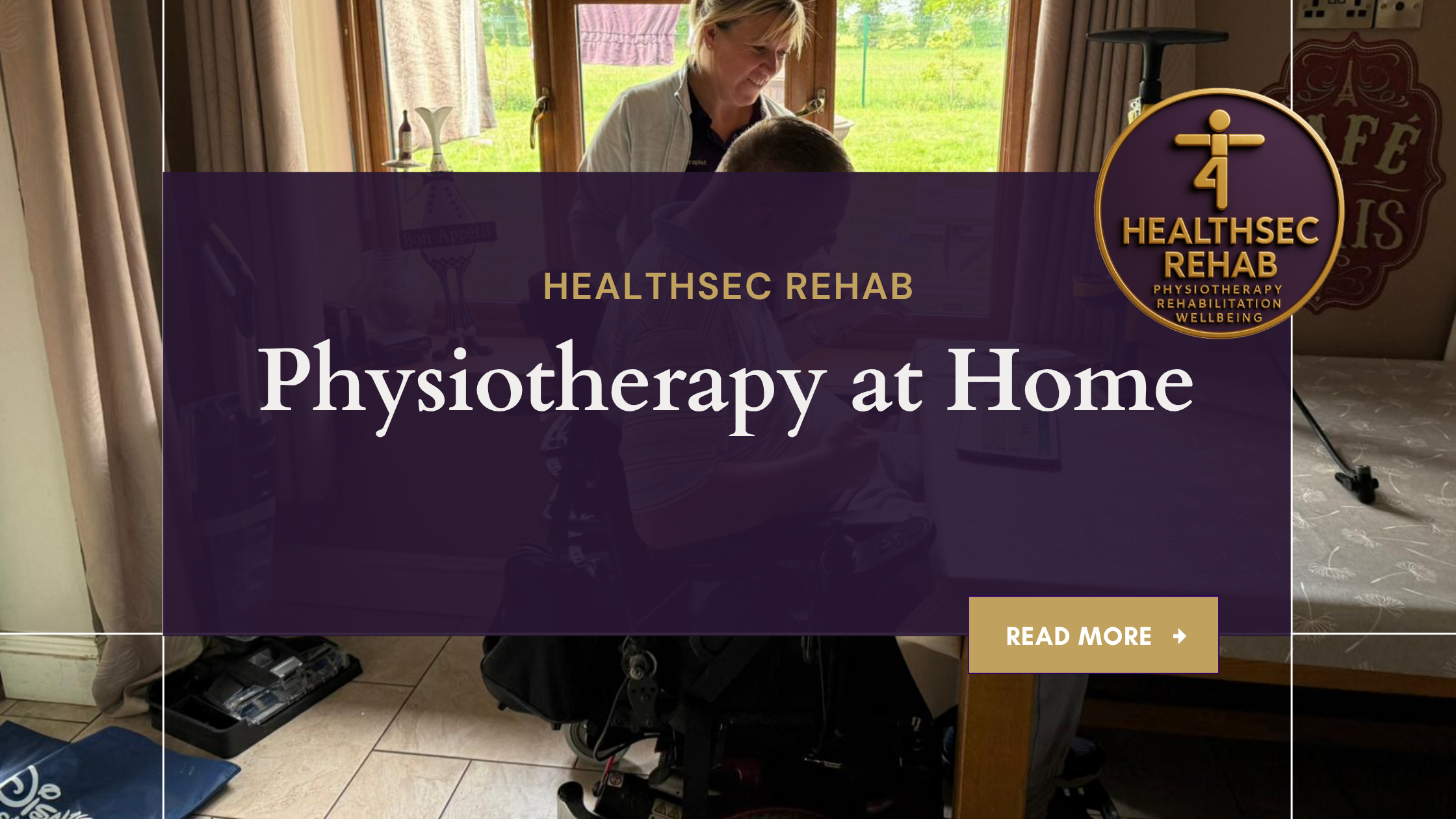
Home-based physiotherapy (sometimes called domiciliary physiotherapy) brings assessment, treatment, and rehabilitation into your own environment. For many people, that is not just more convenient. It can be a more realistic way to build strength, confidence, and independence because you practise the exact movements you need for daily life.
Physiotherapists are regulated healthcare professionals in the UK, and physiotherapy is widely used to support recovery from injury, surgery, and long-term conditions. The Chartered Society of Physiotherapy (CSP) describes physiotherapy as helping people affected by injury, illness, or disability through movement and exercise, education, and advice. Home visits are one way to deliver that support when travelling to clinic is difficult or when goals are best tackled in the home setting.
Source: CSP: What is physiotherapy?
Who can benefit from physiotherapy at home?
Home physiotherapy can be particularly helpful if you:
- Have mobility or transport challenges (pain, fatigue, falls risk, no transport).
- Are recovering after orthopaedic surgery (for example hip or knee replacement) and need safe progression at home.
- Have a neurological condition where environment-specific practice matters (stairs, transfers, walking routes).
- Are managing a long-term condition and want practical strategies that fit your day-to-day routine.
- Need support with balance, falls prevention, or confidence moving around the home.
Falls are a major issue for older adults, and prevention often involves improving strength, balance, and safety at home.
Source: NHS: Falls
What happens in a home physiotherapy appointment?
A high-quality home visit should still follow a structured clinical approach. Typically, your physiotherapist will:
- Assess your symptoms and function
- Pain, stiffness, strength, balance, walking tolerance
- How you manage daily tasks (stairs, getting in and out of a chair, dressing)
- Review medical history and risk factors
- Medications, previous injuries, relevant diagnoses
- Red flags that may require GP or urgent assessment
- Set a clear rehab plan
- Measurable goals (for example: “walk to the kitchen and back safely with one stick”)
- A progression plan with checkpoints
- Prescribe exercises and movement practice
- Strength, mobility, balance, walking practice
- Pacing strategies if fatigue is a factor
- Improve safety and confidence at home
- Safer ways to use stairs, get up from the floor (where appropriate), transfers
- Environmental considerations (trip hazards, lighting, footwear, rails)
Why the home setting can accelerate progress
Home physiotherapy has one big advantage: specificity.
If your goal is to climb your own stairs, get in and out of your own bath, or walk your route to the front door, then practising in that environment can be more meaningful than practising in a generic clinic space.
This also fits with widely used NHS and NICE approaches that emphasise function, self-management, and targeted exercise. For example, NICE guidance for osteoarthritis highlights the importance of therapeutic exercise and patient education as core management approaches.
Source: NICE: Osteoarthritis in over 16s (NG226)
When a clinic appointment might be better
Home visits are not always the best starting point. A clinic can be preferable when:
- You need specialist equipment (for example rehab machines, parallel bars).
- Early-stage rehab benefits from a more controlled environment.
- You are able to travel and want access to multiple modalities in one place.
- The assessment requires facilities that are easier to provide in clinic.
In practice, many rehab plans use a blended approach: home visits early on (or when travel is hard), then clinic sessions later for progression, equipment, and higher-level strengthening.
Safety and quality: what to look for
If you are arranging physiotherapy privately, consider:
- Registration and professional standards
- Physiotherapists should be regulated by the Health and Care Professions Council (HCPC).
Source: GOV.UK: Check the HCPC register
- Physiotherapists should be regulated by the Health and Care Professions Council (HCPC).
- Clear plan and goal-setting
- You should know what you are working towards and how progress will be measured.
- Exercise guidance you can actually follow
- Simple, realistic home exercise plans usually outperform complicated routines that never get done.
- Escalation advice
- You should be told what symptoms mean you should stop, seek advice, or contact your GP/111.
This blog is general information, not medical advice. If you have severe or worsening symptoms, chest pain, sudden weakness, signs of infection, or other urgent concerns, seek medical attention.
Physiotherapy at home in Shropshire and surrounding areas
If you are considering home physiotherapy and want a structured, practical rehab plan, Healthsec Rehab can help you decide whether home visits, clinic appointments, or a combination is the best fit.
Learn more or get in touch here: healthsec.uk
References
- CSP (Chartered Society of Physiotherapy): What is physiotherapy?
CSP public information - NHS: Falls (information, prevention and support)
NHS Falls - NICE: Osteoarthritis in over 16s (NG226)
NICE NG226 - GOV.UK: Check the HCPC register
HCPC register check
Comments are closed